Nicolás, who graduated from the University of Gloucestershire during COVID, mentioned his thoughts on why padel is so addictive: “It gives you an easy sort of sense, false sense, that you’re good at it. And it makes you want to play again, and it makes you want to improve. And then you’re hooked and then you’re in.”
With increased popularity comes increased media coverage, and after Nicolás’ full time job at Real Madrid, he grabbed an opportunity working in padel with both hands, now becoming one of World Padel’s leading commentators in the professional game.
Created in Mexico in 1969, but revolutionised in the last decade, padel is an accessible, intriguing, and fun sport that has been introduced to the lives of many. Lots of people play recreationally, however there are many professional leagues that operate around the world.
From commentating the Spanish Super Cup on-site from Riyadh, to the World Padel Tour Master Final, to being pitchside for El Clásico at the Santiago Bernabéu, I have been able to gain a lot of professional experience to go along with the many personal memories made. (2/3) pic.twitter.com/7gZjiJk88p
— Nicolás Quarles van Ufford (@NicoQuarles) July 17, 2024
University of Gloucestershire sports journalism graduate Nicolás Quarles van Ufford explained why padel has become so popular within the last decade.
“I think the first big explosion that happened to padel was during COVID, because it was one of the only sports that you could play during COVID, because you are officially standing apart from each other. It’s just four people and the courts are relatively small. And I think the biggest thing that padel has going for it is that it is extremely easy to pick up and it’s very addictive.” Said Nicolás.
Padel participation in the UK trebled last year with over 400,000 adults and juniors playing the sport at least once in the last 12 months. The core padel demographic comes from people ages 26-50, with an estimated 10-20% being in the 50+ age group, proving that it is a sport accessible for all ages.
Nicolás added: “I think the biggest difference with padel and tennis in that sense, also for older people, is that if I smash a ball past you, it comes back. It comes back off the glass. You should move, but you don’t have to move. You can play padel without moving too much.
“Obviously, the players at the highest level do an incredible amount of running. But at an amateur level, you could have a great time without having to move too much or without injuring yourself basically.”
Nicolás gained lots of experience in journalism throughout his degree at the University of Gloucestershire. He was one of the main contributors in starting up GPBlog.com, an online hub for the latest Formula 1 news. He also worked for La Liga TV as a touchline reporter and presenter as well as working at the Roland Garros reporting with Red Bull.
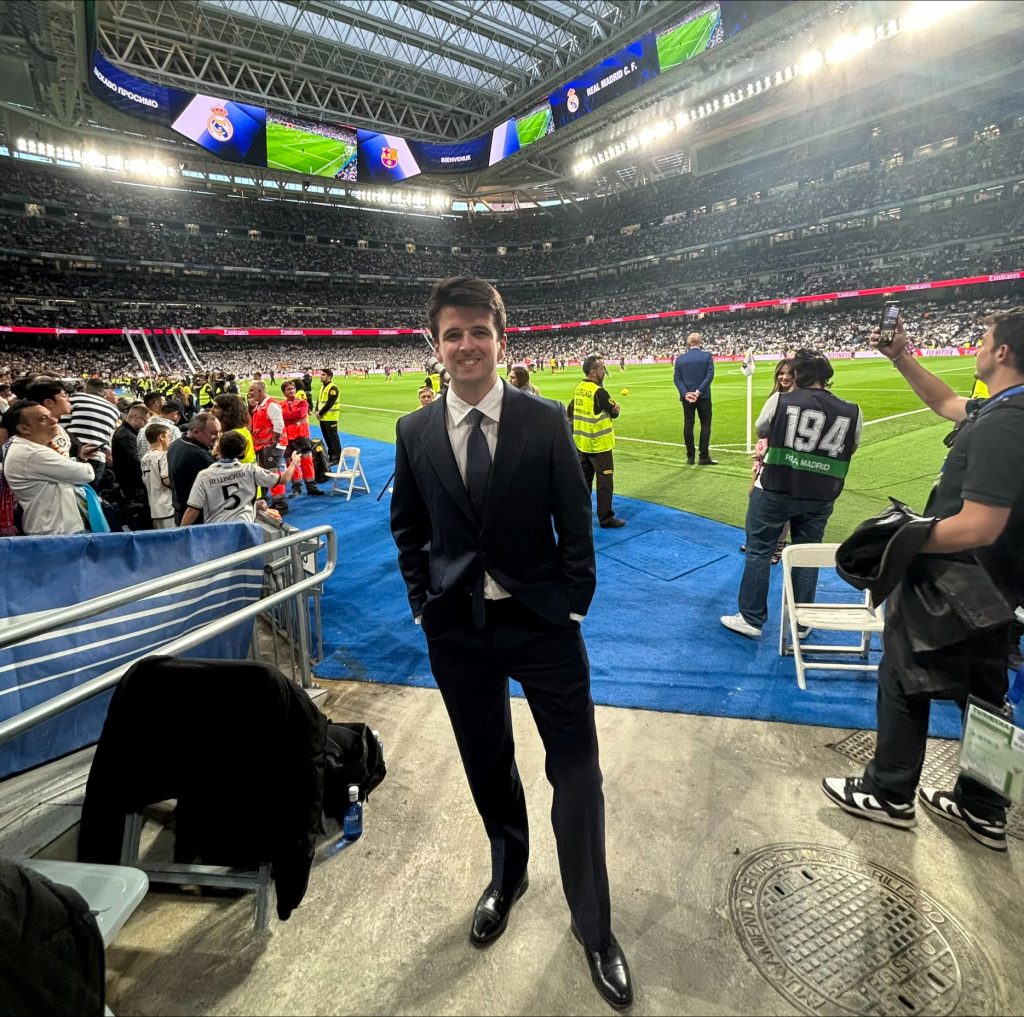
The commentator now works with Red Bull but is thankful for the opportunities that the sports journalism course gave him: “I think that kind of has paid off since that was six years ago now. Now, it’s given me all kinds of opportunities. Now, I work with Red Bull, and I travel with Red Bull. I haven’t looked back.
“But at the same time, padel basically offered me at the time a job that would give me quite a bit more responsibility. I kind of saw it as getting in on the ground floor of something that was clearly going to become a lot more popular.”
Out in Acapulco this week with the lovely @redbull crew covering the #GNPMexicoMajorPremierPadel!
— Nicolás Quarles van Ufford (@NicoQuarles) November 27, 2025
Commentary starts tomorrow 🎾 pic.twitter.com/M73g1hCqCF