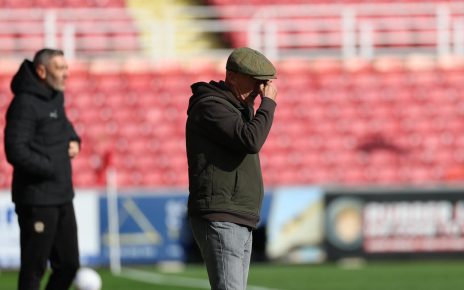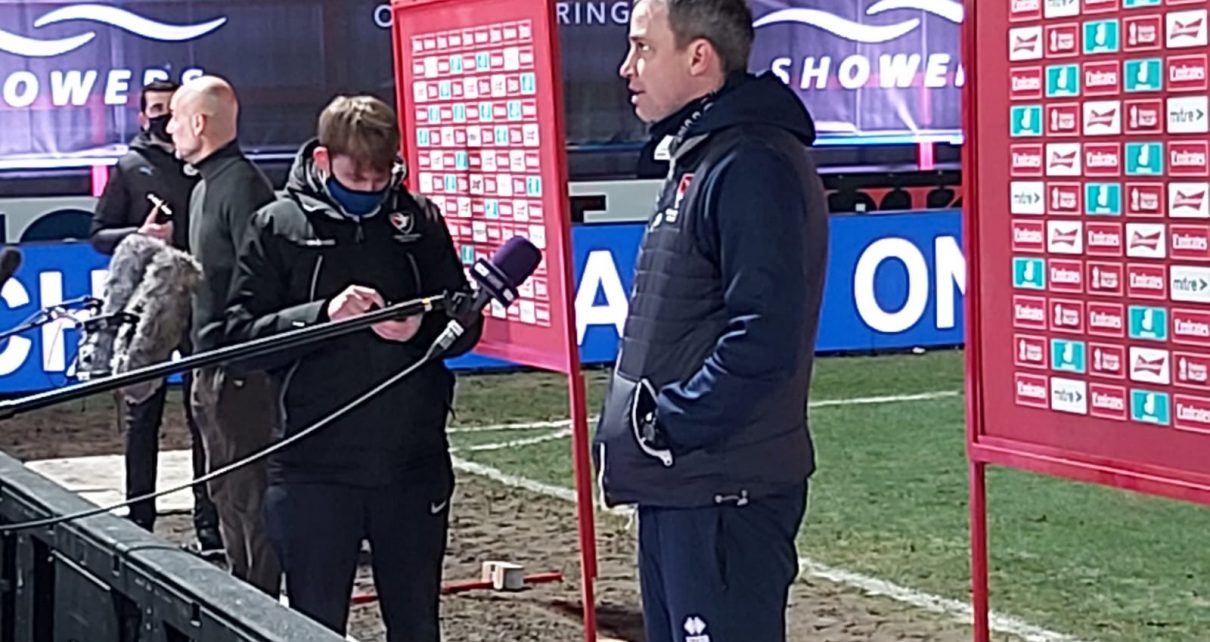
“You take something from everyone you work with, and at Cheltenham, watching Michael Duff and his staff run sessions had a huge influence on how I structure training,” Richard Joyce said.
Joyce credits several people as inspirations for his coaching style, drawing heavily on his four years at Cheltenham Town as a communications manager.
One of his biggest influences was Duff, who joined and left Cheltenham alongside the manager. Joyce said watching Duff, who worked under multiple managers, helped shape his own approach.
“His work, influenced by Sean Dyche, has definitely shaped me,” he said. “Working with Scott Lindsey at Forest Green was also huge. He’s very possession-focused, and learning from him gave me a deeper understanding of controlling games through the ball.
“All of those experiences feed into how I coach now.”
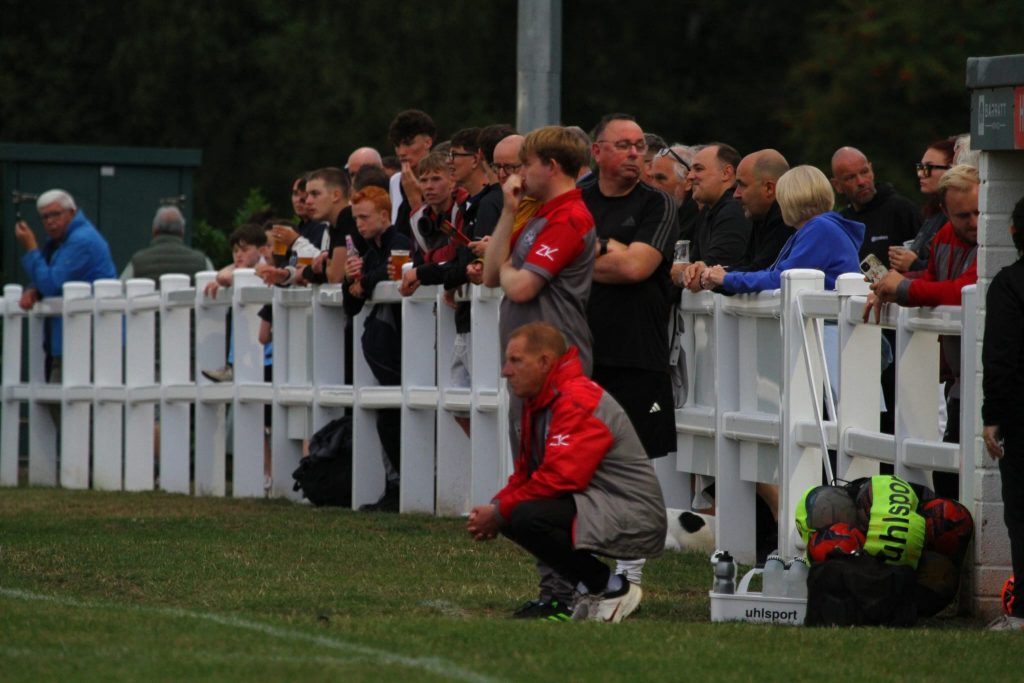
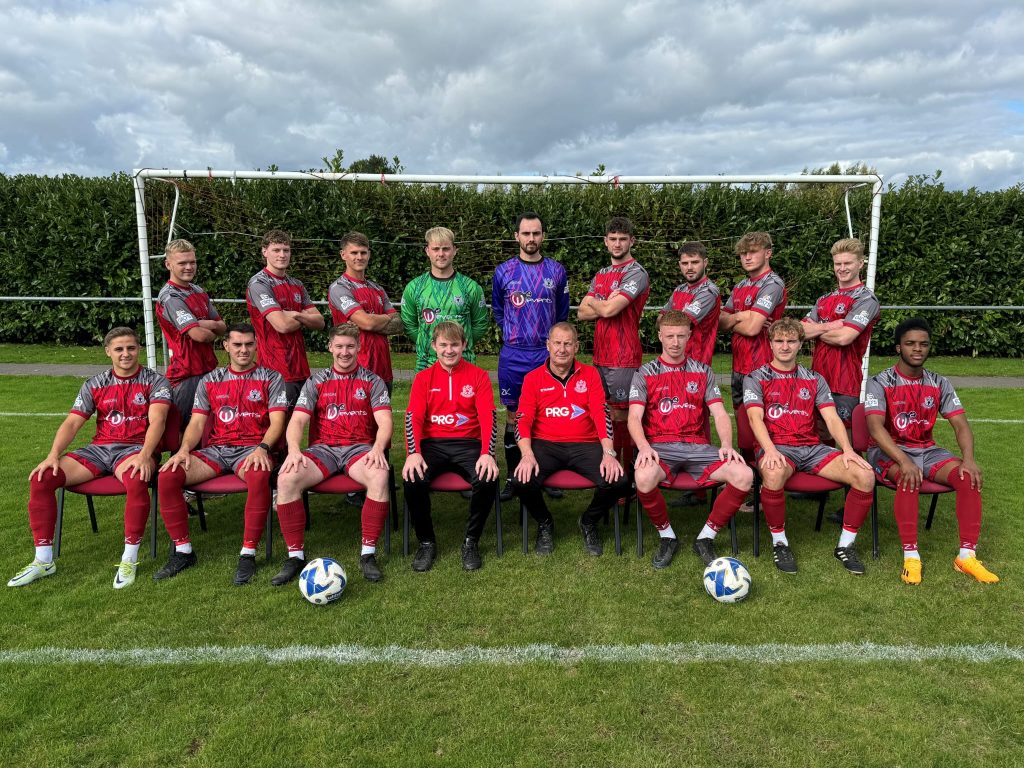
At Evesham United, Joyce has been focusing on implementing the team’s style of play, both in and out of possession, and on learning from manager Mike Ford.
“A big focus initially has been understanding how the manager wants the team to play, both in and out of possession. I’ve spent the last few weeks learning that through analysis, matches, and conversations with Mike,” he explained.
“My role now is about implementing his ideas on the training ground. The transition from manager to coach has been interesting – as a manager, you see everything, whereas now it’s about fully understanding someone else’s vision and delivering it effectively to the players. Mike’s had several promotions and knows exactly what it takes to succeed at this level. I’d be foolish not to learn as much as I can from him.”
Joyce added that there are also new challenges compared to his time at Thornbury, such as managing a playing budget, which brings its own learning opportunities. “Everything I’m learning now will be useful when I return to management,” he said.
Working in communications at Cheltenham Town gave Joyce a unique insight into football off the pitch.
“It was a brilliant experience, working up to League One and being involved in an FA Cup fourth-round run gave me exposure to football at a really high level. It also helped me understand how football clubs operate beyond just the football department.
“Having worked across different areas, I’ve gained a better appreciation for how departments support one another. That understanding helps when you’re trying to align everything toward improving the team on the pitch.”
His time in the communications department also shaped his managerial style, teaching him that modern managers need to be more than just tacticians.
“Players are far more tactically aware now, even at lower levels of the pyramid. The expectations have changed massively. Gone are the days of doing a bit of fitness, a five-a-side, and going home. Every session now needs a clear theme and purpose.
“Players want to feel like they’re learning something and improving. Football itself hasn’t changed – you still need to score goals, but the preparation, structure, and detail around it have evolved significantly.”
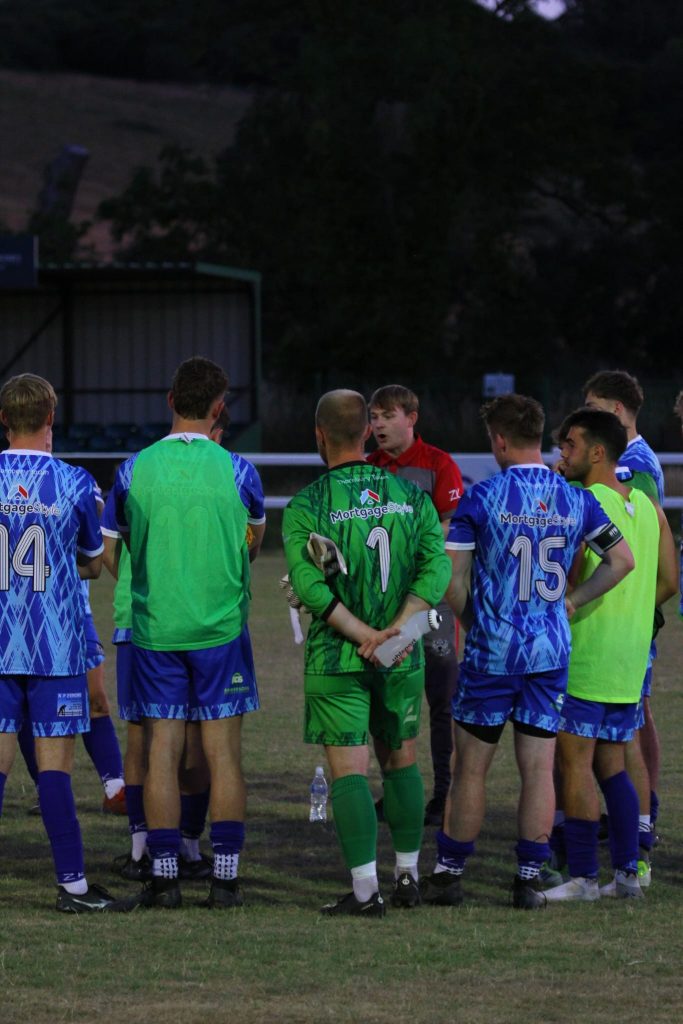
Joyce has also worked in analysis and continues to do so for several clubs, which he says has deepened his understanding of the game.
“Analysis has been a huge part of my football career. I still work in that role with Weston-super-Mare and Eastleigh in the National League, focusing on opposition scouting. That’s given me a broad understanding of players and teams across Steps 1 to 3, and insight into what works – and what doesn’t – at different levels.
“I also integrated analysis heavily into my work at Thornbury. At that level, analysis isn’t always common due to resources, but we were able to make it work. The players really bought into it. Being able to visually show players, through video, what you want from them is one of the most powerful learning tools there is.”
Asked about where he sees himself in five years, Joyce admitted it’s hard to predict, but he’s focused on his current role.
“Football moves quickly, so it’s hard to plan too far ahead. Opportunities can come out of nowhere – this move to Evesham certainly did. I’d like to return to management at some point. What level that’s at will depend on how things progress and what opportunities arise.
“Managerial jobs don’t come up often, and when they do, they’re usually challenging situations. But that’s football – you take on what comes your way.”
Stay up to date with all the latest news from Gloucestershire on our live blog.