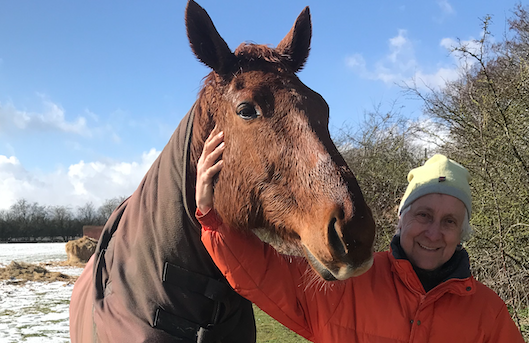
“You’ve got to keep eating away at the industry before you actually get rid of the industry as a whole, and that’s our aim.”
Cheltenham Festival. 2006. 20 years ago. For Dene Stanstall, that year was a turning point in his life, and one that forced him to confront the hidden cost behind one of Britain’s most famous sporting events.
The staggering number of deaths led him to begin tracking racehorse fatalities, and in 2007, Stanstall set up a campaign alongside Animal Aid to record deaths across every racecourse in the United Kingdom.
“There were a shocking number of deaths at the Cheltenham Festival as a consequence of racing that year, and that really concerned us.
“We knew we wanted to offer something to the public that gives a bottom-line figure on the total number of fatalities that are happening in racing.”
Cheltenham is widely regarded as one of the most prestigious venues in racing, yet behind the global attention, the statistics reveal a darker reality.
In the last 25 years, 78 horses have died during the festival alone, and although spectators feel the sport thrives despite this, for campaigners like Stanstall, those numbers represent lives lost in the pursuit of spectacle.
Despite the scale of the problem, Stanstall’s work alongside Animal Aid has helped push for several changes aimed at improving safety at Cheltenham.
He said: “We’ve seen instrumental changes at Cheltenham due to our work, such as getting the second last fence at the bottom of the hill moved to the straight, which has saved a lot of horses’ lives.
“In 2021 we launched the whip review, and whilst we haven’t got rid of the whip, the number of strikes you can beat a horse during a race is now down from over 15, to six in a flat race, and seven in a jump race.”
Although Stanstall now plays an instrumental role in campaigning for horse welfare, his relationship with racing once looked very different, and as a young man he regularly bet on the sport he now opposes.
What once felt like harmless entertainment slowly became something he could no longer ignore, but stopping his own betting habits did not feel like enough.
“I had to decide at one point in my life, ‘do I continue supporting racing, or do I go against it and do something for the horses I’ve exploited through gambling in the past?’
“I can stop betting, I can stop going to races, but I knew I needed to do more than that, which is when I started campaigning for myself and later teaming up with Animal Aid.”
“I now care for ex-racehorses and work with horses every day because I understood that morally and ethically, it wasn’t right to treat horses the way they do.”
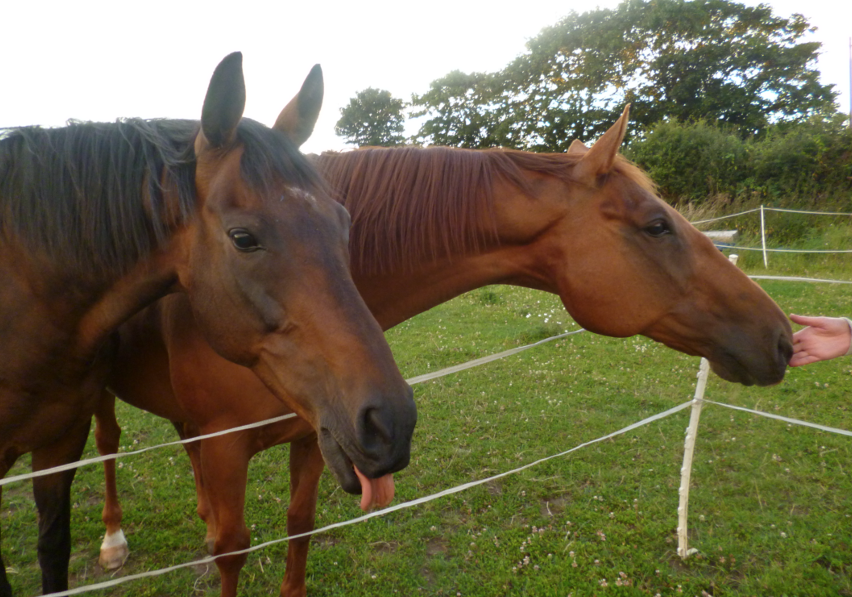
The sport is one of the most commercialised spectator sports in the United Kingdom, built on gambling, sponsorship and media rights.
Speaking out against such a powerful industry has often brought intense criticism upon Stanstall, but none that would ever stop him from doing what he believed in.
“It can be very difficult because emotionally and mentally, you feel like you’re being persecuted for your own opinion…and that can be really disturbing.
“I’ve had terrible social media criticisms over the years, using really horrid language against me, but that’s part of campaigning, and you must learn to be tough.
“I’m now well into pension age, but I’m still working on this full time because it’s my life mission, and I want to do it for the rest of my life until the day I die.”
