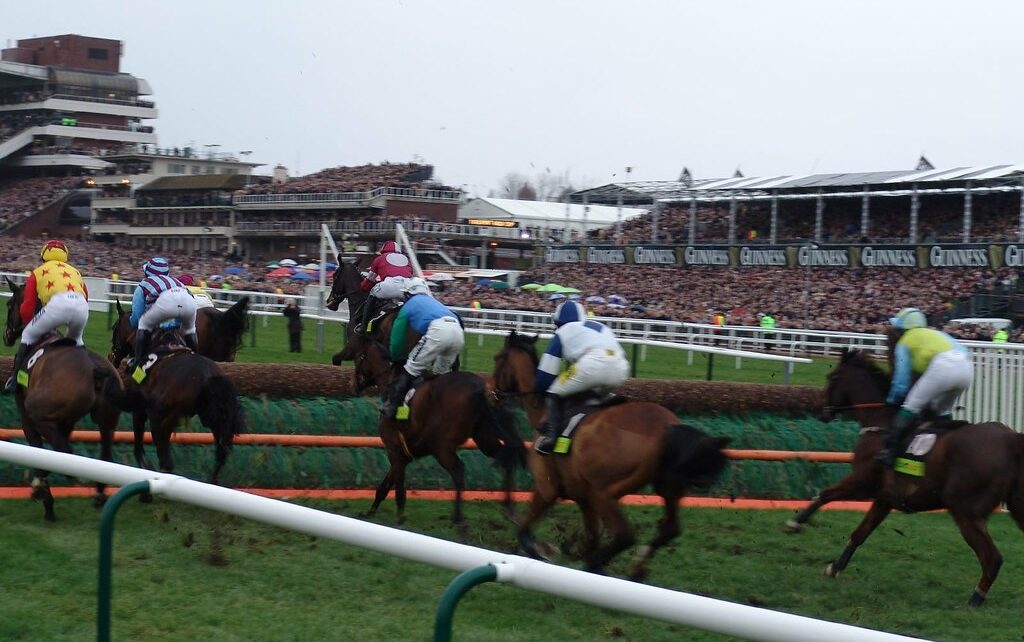
Speaking during the week of the Cheltenham Festival, Dene Stansall claimed the toll on horses across British racing is far greater than many members of the public realise, with two Horse deaths already taking place at the start of the festival (Hansard and HMS Seahorse).
A statement from Cheltenham racecourse regarding Hansard: "While running on the flat in the second race of the day, Hansard sustained a fatal injury. He was quickly dismounted and immediately attended to by a team of expert veterinary professionals. In their assessment, it was…
— ITV Racing (@itvracing) March 10, 2026
Stansall, a dedicated campaigner with Animal Aid, says the charity has been investigating the racing industry and believes the number of horse deaths linked to the sport raises serious ethical concerns.
“We’ve looked at horse racing for many years and realised the toll that it takes on horses’ lives,” Stansall said.
“At least around 200 horses get killed on British racecourses every year, and probably an equal number die in training as well.”

Animal Aid has been campaigning against horse racing for decades, focusing on issues including horse deaths, breeding practices, the use of the whip and what happens to horses after their racing careers end.
Stansall also raised concerns about the number of racehorses bred each year, arguing that many animals never even reach the racecourse. “We know that only about 67% of all foals born actually make it to a racecourse,” Stansall claims.
“The industry calls the rest ‘wastage’, which is a terrible term.”
Campaigners say high profile events such as the Cheltenham Festival bring the issue into more focus due to the global audience the meeting attracts. While Animal Aid campaigns throughout the year, Stansall said the festival creates an opportunity to highlight the group’s concerns. “There’s a huge TV, and media push from the racing industry and betting companies promoting the festival.
Cheltenham tip = don’t bet on animal cruelty. 📢#YouBetTheyDie
— Animal Aid (@AnimalAid) March 12, 2026
“Our role is to make people aware of the other side that horses are suffering and that many are injured or killed.”
Supporters of horse racing often argue that welfare standards have improved and that the sport supports thousands of jobs across Britain. However, Stansall believes many changes have been introduced only under public pressure. “The changes made by racing authorities are usually a response to public opinion rather than the industry wanting to change itself,” Stansall said.
The Cheltenham Festival remains one of the most prestigious meetings in the British racing calendar, attracting thousands of spectators and millions of viewers each year.
68,506 of you joined us today 😍
— CheltenhamRacecourse (@CheltenhamRaces) March 15, 2022
A record for Day One of #TheFestival pic.twitter.com/dVJYpclPBW
However, incidents where horses are either injured or killed during major events often reignite debate between racing supporters and animal welfare groups. Campaigners argue that such moments highlight the risks horses take during competitive racing, while the industry maintains that welfare standards and safety measures continue to improve across the sport.
Despite calling for an eventual ban on horse racing, Stansall acknowledged that such a change would be difficult to achieve quickly due to the scale of the industry. “From a personal point of view, I’d like to see a ban,” he said.
“But I’m realistic. These things don’t change overnight.”
Animal Aid – End Horse Racing Campaign video (Viewer discretion advised, video contains disturbing footage of animal cruelty)
Keep up to date with our latest stories in and around Gloucestershire here: