For hospitality venues in Cheltenham, few weeks are as high pressure as the Cheltenham Festival.
Mr Mulligans Duty Manager Kathryn Lowe said: “The races provide more pressure to businesses with a need to draw in new customers but not upset our pre-existing customers who have supported us thought the year.
“The festival isn’t just about attracting new faces, it’s about maintaining a balance between maximising the venue and keeping the locals and no race goers happy.”
The pressure doesn’t just stop at management: “It also adds more pressure to the staff on shift who may feel the strain of the busier shifts and longer evenings.”
Preparation and training become essential tools for coping with the intensity of the week, ensuring both staff and customers have a positive experience.
“It’s so important that we prepare and train our staff correctly in advance,” Lowe explained.
The change in the atmosphere in Cheltenham during the week of the festival is noticeable from the moment the guests enter.
“The Festival changes the atmosphere and footfall at Mr Mulligans dramatically by a large margin,” she noted.
“The main change I footfall we see is our client base shifts from families and mixed-gender casual friend groups, to male-dominated, booze fuelled mission to take over the venue.”
With this shift in crowds, dynamics have been altered entirely, creating a different environment.
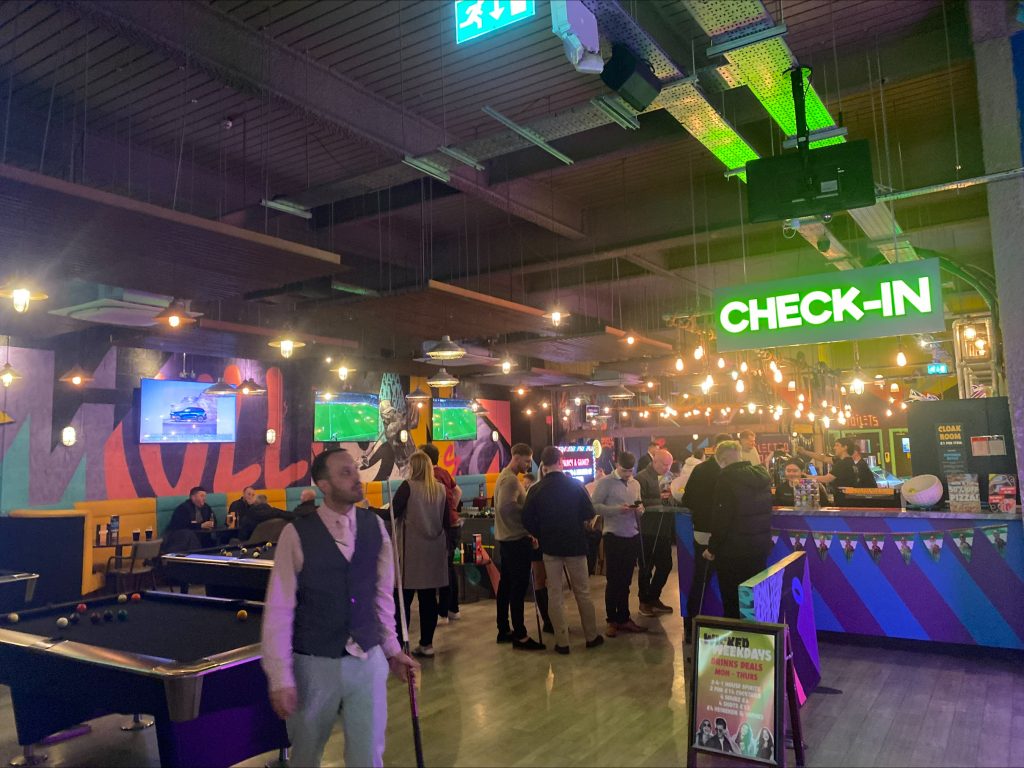
Locals tend to avoid venues during the Festival, leaving spaces dominated by visitors who are eager to celebrate.
“We find locals stay away, and the atmosphere shifts more. I’m mostly on the nights only, and it’s a let’s live it up and go all out sort of mood,” said Lowe.
This temporary, high-energy clientele often leads to “higher premium sales and lower care for cleanliness, with potentially more negative and dismissive behaviour towards staff.”
Despite these challenges, the financial rewards of Festival week are significant.
“The festival generates a large enough revenue to pursue renovations, potential upgrades to the software we use, and to cover any losses made during the January period,” the manager explained.
For many venues, the income is vital, providing the resources needed to invest in the business.
“It’s essential for hospitality venues like ours to make the most of this week to sustain the business throughout the year,” Lowe emphasised.
Every decision, from staffing to menu planning, is made with the week’s unique pressures and opportunities in mind. Managing the Festival crowd requires careful strategy.
“The Cheltenham Festival creates a unique challenge in balancing the influx of new customers with keeping loyal regulars satisfied,” said the manager.
Success during the week hinges on preparation, attentiveness, and adaptability.
“Staff training and preparation are key to handling the intensity and pace of Festival week successfully,” Lowe adds.
“In the end, the Cheltenham Festival is more than just a sporting event; it’s a pivotal moment for the town’s hospitality industry.”