As thousands of racegoers descend on Cheltenham Festival this week, animal rights campaigners are once again raising concerns about the welfare of horses involved in the sport.
People for the Ethical Treatment of Animals (PETA) has urged the public to avoid attending horse racing events, arguing that the industry puts animals at risk of serious injury and death. The organisation has long campaigned against racing in the UK, claiming that the demands placed on horses for competition and breeding come at a significant welfare cost.
Park Life Sport asked PETA Media Lead, Lucy Watson, about its concerns surrounding the Cheltenham Festival.
Why does PETA believe horse racing is inherently cruel, and what are the main welfare concerns you highlight?
The horse racing industry is inherently cruel because it runs on animal abuse and makes money by pushing horses beyond their natural abilities. Horses are forced to run around racecourses at speeds of more than 30 miles per hour while carrying people on their backs, often resulting in heart attacks and fatal injuries, including broken necks, backs, and legs. Racing is the only context in which it’s still legal to whip animals in the UK, meaning that horses continue to be beaten into submission and end each race sweating and exhausted. According to Animal Aid, 78 horses have died as a result of racing at Cheltenham Festival since 2000. In 2025, Springwell Bay and Corbetts Cross, both just 8 years old, died during the festival following heavy falls. It’s unacceptable.
How do you respond to the argument from the racing industry that horses are well cared for and enjoy racing?
Horses are treated terribly by trainers and jockeys, who know that forcing them to take part in a race is dangerous and potentially fatal. When not racing, many racehorses are kept isolated for long hours in stables, and individuals exploited for breeding can be isolated from others for years on end. Unlike human athletes, horses are not willing participants – if left in peace, they’d naturally roam with their herd and make their own choices. Nobody would choose to risk life and limb to run these races.
The horse-racing emoji doesn’t reflect the fatal injuries and catastrophic breakdowns in the industry 🏇❌
— PETA (@peta) February 10, 2026
This #YearOfTheHorse, celebrate the life of the horse by taking action! https://t.co/Ah44Uf8tJA pic.twitter.com/6slCuMNzfC
Do you believe stricter welfare regulations could make horse racing acceptable, or do you think the sport should be ended entirely?
As long as animals continue to suffer and die on racetracks, this sport will never be acceptable, and it must end. Course changes are token gestures implemented by the industry to try to convince the public that it cares about animal welfare. For example, the number of horses participating in the Grand National has been reduced from 40 to 34 since 2024, following the deaths of four horses in the 2023 event. Ultimately, these changes do nothing to help horses, who continue to be whipped, injured and killed for the sake of a flutter. They also fail to address major problems in the industry, including the lack of retirement plans for ex-racers, which results in thousands of horses being discarded every year. The only way to ensure animal welfare is to ban racing altogether.
What happens to many racehorses after their careers end, and why is this a concern for animal welfare groups?
Horses who can no longer be exploited for profit or can’t run fast enough are often discarded like used betting slips – some are handed over to rescue charities, while others are left to languish in fields, shot at stables, or sold for slaughter. A PETA US investigation into South Korea’s largest horse abattoir found that Googlette, an 11-year-old Irish filly who raced in the UK, was killed at the abattoir in late 2019. Over 1,000 ex-racing horses from the UK and Ireland are killed at the horse abattoir every year. The only way to ensure the welfare of horses is to cancel the Cheltenham Festival and all racing festivals.
If you could send one message directly to people attending the Cheltenham Festival this week, what would it be?
We urge everyone to never attend any horse races or bet money on abused animals. Horses are feeling, intelligent animals who deserve to live free from exploitation – they don’t want to be pushed to breaking point, whipped and mistreated any more than we would. Horse racing is a cruel and archaic spectacle that has no place in the UK, and we urge compassionate Brits to send a message to the industry that its racing days are numbered by steering clear of racetracks.
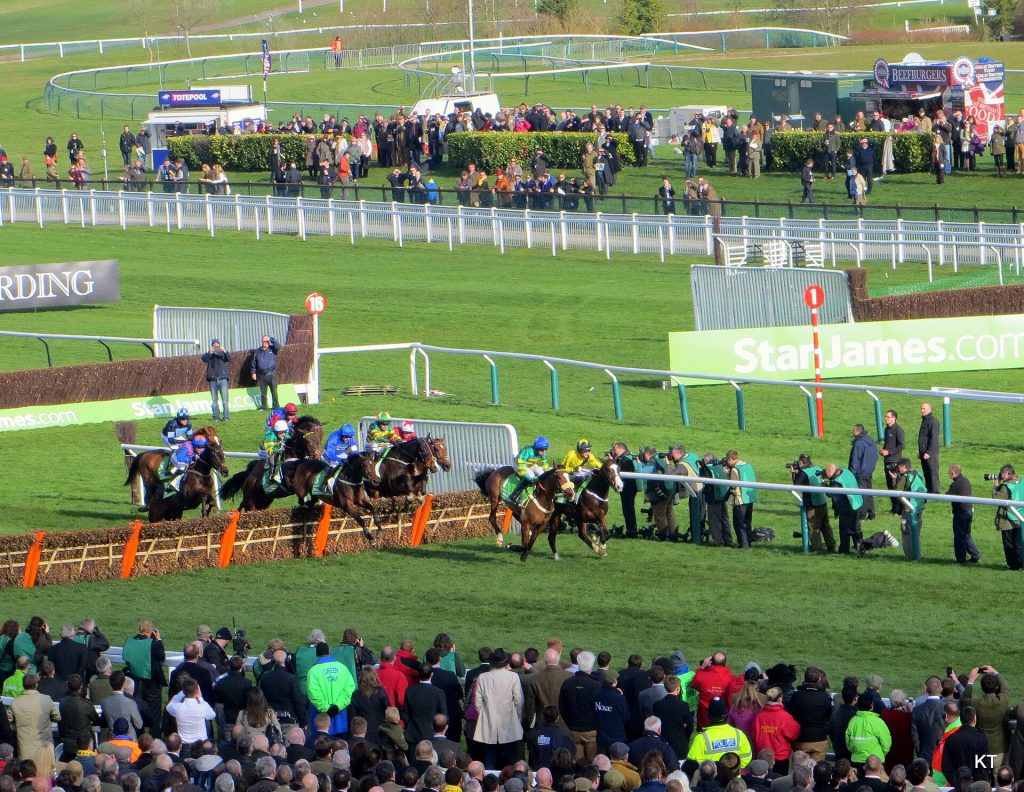
Organisers of the Cheltenham Festival have consistently defended their safety record, insisting that the welfare of horses remains their top priority. Following the deaths of four horses at the festival in 2022, Ian Renton, Regional Director at The Jockey Club, told the BBC: “All our team here work absolutely tirelessly to do everything we can for horses and human welfare, and that is absolutely paramount in everything we do.”
Let us know in the comments 👇 pic.twitter.com/rImYq2Bu41
— The Jockey Club (@TheJockeyClub) March 6, 2026
Keep up with all the latest from the Cheltenham Festival this week on Park Life Sport.